

The only thing worse than being on Santa’s naughty list is your furnace not working.
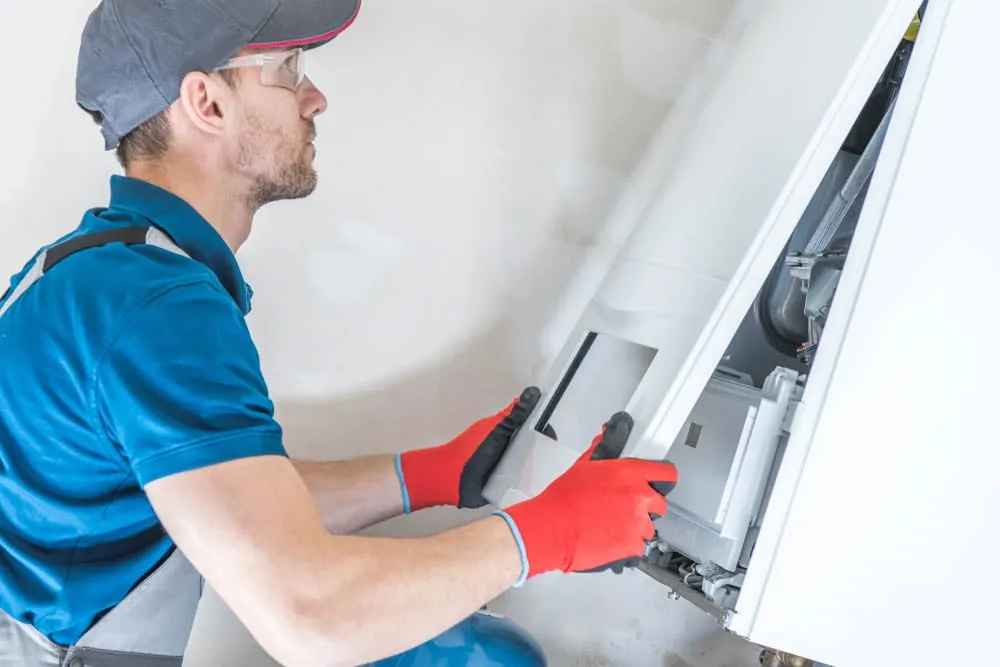
You can get the most out of your furnace with regular furnace maintenance, which keeps your home warm, reduces energy bills, and extends your system’s lifespan.
A well-maintained furnace can easily last 15 to 30 years with proper care. According to the Department of Energy, by combining proper equipment maintenance and upgrades with recommended insulation, air sealing, and thermostat settings, you can save about 30% on your energy bill.
What You Can Do Yourself
Before you call in the experts, there are a few tasks you can do to keep your furnace in tiptop shape. No special tools or training required.
1. Replace Your Air Filter Regularly
Swap out the old filter for a new one every 1 to 3 months. A clogged filter forces your system to work harder, raising energy bills and reducing the amount of heated air reaching your rooms. If you have pets, check filters more frequently as pet dander builds up faster. For optimal indoor air quality, consider upgrading to a higher MERV-rated air filtration system.
2. Keep Vents and Registers Clear
Inspect each room and ensure your furniture, rugs, or curtains aren’t blocking airflow. Obstructed vents cause cold air pockets and uneven heating throughout your home.
3. Test Your Thermostat
Confirm your thermostat and control panel are working properly. Replace the batteries at the start of each heating season to ensure your system starts reliably. Consider upgrading to a programmable or smart thermostat to automatically save money. The DOE estimates that homeowners can reduce energy consumption by 10% simply by using a programmable thermostat.
4. Set Your Temperature to 68°F
The ideal indoor temperature when you’re home and awake is 68 degrees Fahrenheit. Lowering the temperature by seven to ten degrees while sleeping or away can save you up to 10% on annual heating costs.
5. Maintain Your CO Detectors
Carbon monoxide is colourless and odourless, making CO detectors essential for your family’s safety.
Test detectors on a monthly basis and replace batteries annually. Position them at least 15 feet from your furnace to avoid false alarms when the system starts up.
6. Clean Around the Unit
Use a damp cloth to wipe down accessible surfaces and compressed air or a small brush to clear dust from vents. Perform regular cleaning to remove accumulated debris.
7. Keep the Area Clear of Hazards
Maintain a clutter-free zone around your furnace, water heater, and any fuel-burning appliances. Remove boxes, stored items, and especially flammable materials. This ensures proper ventilation and prevents fire hazards.
8. Check Your Burner Flames
If your furnace has a viewing window, look at the burner flames. Blue, steady flames indicate proper combustion. Yellow or orange flames suggest incomplete burning and require professional attention. Don’t breathe near the flames during inspection, as the extra oxygen can affect the colour.
9. Balance Indoor Humidity
If you have a whole-home humidifier, check that the water supply line is clear, clean or replace the humidifier pad, and look for leaks or sediment buildup. Proper humidity levels help your furnace run efficiently and prevent it from overworking. Cold Factor offers professional humidifier and dehumidifier installation to help maintain optimal comfort.
What Requires a Professional
These tasks involve natural gas, electrical power, or internal components that require trained technicians and specialised tools. Professional tune-ups average around $150, while skipping maintenance can lead to repairs costing $450 or more.
10. Annual System Inspection
Schedule a professional tune-up at least once a year. A certified technician will inspect key components to optimise performance and ensure safe operation. They’ll clean the combustion chamber to prevent corrosion from soot buildup, vacuum the blower compartment and squirrel cage, and lubricate moving parts to reduce friction and wear. Following the ENERGY STAR maintenance checklist helps ensure nothing is overlooked.
11. Gas Line and Connection Inspection
For natural gas systems, a technician will check for gas leaks and test gas pressure to ensure safe operation. They’ll also inspect the draft hood and vent connector to confirm combustion gases and flue gases are properly vented. If you ever smell gas, leave your home immediately and call your gas supplier from a neighbour’s phone.
12. Heat Exchanger Examination
A cracked heat exchanger can allow dangerous gases, including carbon monoxide, into your home. This inspection is not something homeowners should attempt themselves. A professional will identify cracks or corrosion that could pose serious health risks to your family.
13. Flame Sensor Cleaning
A dirty flame sensor can cause your furnace to shut down or prevent the furnace burners from igniting correctly. Regular cleaning of this component is a crucial step in maintaining safe operation. The technician will also check the pilot light for stability, as a flickering pilot light often indicates a problem.
14. Ductwork Inspection
Older furnaces and ageing duct systems can develop leaks that waste heated air and reduce efficiency. A professional can identify gaps, seal connections, and ensure your central air conditioner and air conditioning system share ductwork without issues. Cold Factor provides comprehensive ductwork repair services to restore your system’s efficiency.
Warning Signs That Need Immediate Attention
Know when to call a professional right away. Ignoring these problems can lead to dangerous situations, including gas leaks and carbon monoxide exposure.
15. Recognise the Red Flags
Watch for these warning signs of serious furnace issues:
- Unusual noises such as banging, rattling, or squealing
- Inconsistent heating or cold spots throughout your home
- Frequent cycling where the furnace turns on and off repeatedly
- Yellow or orange burner flames instead of steady blue
- A burning smell that persists beyond the first use of the season
- A flickering pilot light that won’t stay lit
- The system isn’t producing enough heat despite running constantly
If you notice any of these issues, contact a professional before they become major problems..
Trust the Experts for Worry-Free Comfort
Start the process of keeping your furnace in peak condition by contacting Cold Factor Heating & Air Services today!