

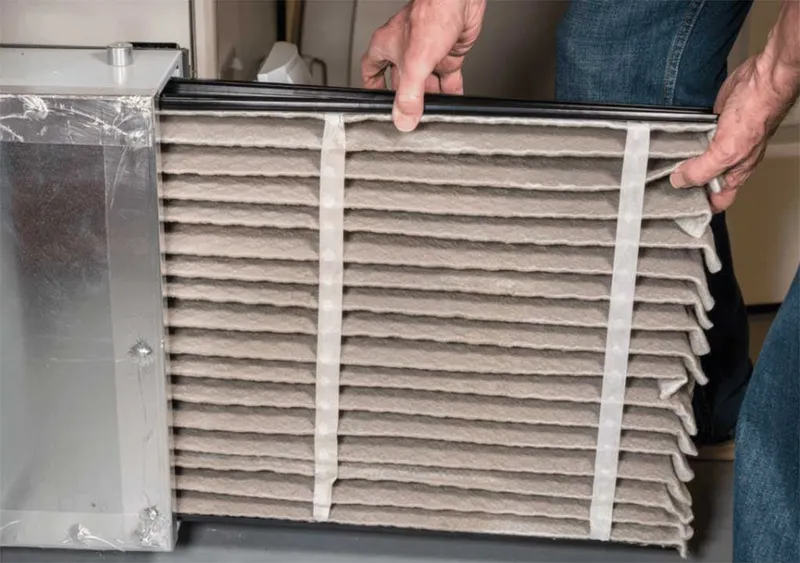
Your HVAC system does not create or spread illness on its own, and a well-maintained one can lower the concentration of airborne particles moving through your home during flu season. The EPA notes that upgrading HVAC filters and running air cleaners can help reduce airborne virus particles indoors, though filtration works alongside handwashing and vaccination rather than replacing either. A neglected system with a clogged filter and dirty ducts does the opposite, recirculating dust and allergens that irritate airways already under strain.
The seasonal problem is simple. From November through February, DFW homes stay closed up and everyone spends more time indoors, while the same air circulates through the same ductwork for months. Cold Factor works on air quality systems across Flower Mound and the wider metro, and the questions below are the ones homeowners ask every winter.
HVAC and Indoor Air Quality in Flu Season: What Actually Helps
Three things in your system affect the air you breathe during flu season, and none of them is complicated.
- Filtration captures particles before they recirculate
- Humidity control keeps the air in a range that is easier on your airways
- Clean ductwork stops the system from redistributing dust it has collected all year.
Filtration does most of the work. Every cubic foot of air in your house passes through the filter repeatedly across a winter day, so a filter that actually captures fine particles removes a meaningful share of what is floating around. A basic fiberglass filter catches large dust only, while a pleated filter in the MERV 11 to 13 range captures much smaller particles, including many of the droplet nuclei that carry respiratory viruses.
The EPA is careful about how it frames this, and so are we. Better filtration reduces the concentration of airborne particles rather than sterilising your home, which means it lowers exposure without eliminating risk. That is still worth doing, particularly in a household with someone who has asthma or seasonal allergies.
Humidity matters more than most homeowners expect. Winter heating dries indoor air, and very dry air leaves the nasal passages less able to trap particles before they reach the lungs. Keeping relative humidity in the 40 to 60 percent range is the commonly recommended target, and a whole-home humidifier holds that range far more consistently than a portable unit in one bedroom.
North Texas homes swing further than people realise. A DFW winter alternates mild humid stretches with sharp dry cold fronts, so indoor humidity can sit comfortably one week and drop into the twenties the next, which is when the static shocks and dry throats start. A system that manages humidity actively rides through those swings instead of following them.
Does HVAC Spread Germs Around Your House?
A central system moves air between rooms, so it can carry airborne particles from one part of the house to another. That is the honest answer, and it is why the question keeps coming up. The important qualifier is that the system is not generating anything, it is moving air that was already in your home, and the filter it passes through determines how much of that load gets removed on each pass.
A system with a good filter and clean ductwork removes more than it redistributes. A system with a filter that has not been changed since summer does the reverse, because once a filter is fully loaded it stops capturing effectively and air begins bypassing it around the edges of the frame. That is the scenario people are picturing when they worry about their vents making them sick.
Ductwork is the other half of the answer. Ducts that have accumulated years of dust, pet dander and construction debris give circulating air something to pick up on its way to your vents. Cold Factor covers the warning signs in a separate guide on whether your air ducts are making you sick, and our guide to duct cleaning myths covers how often the job is actually worth doing.
There is a fair worry buried in the question, which is that one sick person coughing in the living room can put particles into air that reaches a bedroom several rooms away. Filtration is what shortens the life of that journey, since each pass through a capable filter removes a portion of what is suspended. A system cycling frequently with a good filter is doing more cleaning per hour than a system that barely runs.
The CDC frames prevention around improving airflow and cleaning the air with purifiers, which is the same principle applied at home. Moving air is not the problem, moving unfiltered air is.
Flu Season HVAC Myths, Cleared Up
Most of what circulates about HVAC and illness is half right, which is what makes it stick. Here is where the common claims land:
| The claim | The reality |
|---|---|
| Running the AC or heat gives you a cold | Viruses cause colds, not air temperature. Dry, dusty air can irritate airways and make symptoms feel worse. |
| Closing vents in unused rooms improves air quality | It unbalances airflow and strains the system. Air quality does not improve. |
| A HEPA filter is always the right upgrade | True HEPA restricts airflow on most residential systems. MERV 11 to 13 is the usual practical ceiling. |
| Opening windows in winter clears the air | Brief airing helps, but it dumps your heat and does nothing for the particles already circulating. |
| An air purifier replaces filter changes | Purifiers supplement the system filter. Neither replaces the other. |
| Higher humidity is always better | Above 60 percent encourages mould and dust mites. The 40 to 60 range is the target. |
The pattern across all six is the same. Each myth takes something real, then stretches it past where the evidence goes, which is why the practical answer is usually a moderate setting rather than an extreme one.
Winter Signals That Your Air Needs Attention
Air quality problems rarely announce themselves, and in winter the symptoms are easy to blame on the season instead. These are the patterns that point specifically at the heating months rather than a year-round issue:
- A musty or stale smell in the first minutes after the heat kicks on for the season
- Static shocks and dry skin, which point to humidity sitting well below 40 percent
- Symptoms that ease within hours of leaving the house and return once you are home
- Dust visibly resettling within a day or two of cleaning, faster than it did in summer
- Windows that fog heavily on cold mornings, a sign humidity has swung too far the other way
EPA has long noted that indoor pollutant levels can run several times higher than outdoor levels, which surprises most homeowners. In a DFW winter, with windows shut for weeks and the heat cycling constantly, that gap widens rather than narrows. Our air quality page lists the fuller set of year-round warning signs, and Cold Factor offers IAQ testing when the symptoms are there but the cause is not obvious.
Practical Steps Before Flu Season Peaks
The highest-value change is also the cheapest one. Replace the air filter, and do it more often through winter than the packaging suggests, because a heating system running long hours loads a filter faster than a shoulder-season one. Most one-inch filters need replacing every 30 to 90 days, and the shorter end of that range applies in a house with pets or allergy sufferers.
Upgrading what sits in that slot is the next step. A dedicated filtration system handles finer particles than a standard filter without choking airflow the way an ill-matched HEPA filter would. For households wanting active treatment rather than passive capture, a Reme Halo purifier installs into the ductwork and treats air as it circulates.
One detail gets missed constantly. A filter only works if air is forced through it rather than around it, so a filter sitting loose in an oversized slot leaks unfiltered air past the frame on every cycle. Checking that the filter fits snugly costs nothing and undoes a surprising amount of wasted spend on higher-grade filters.
A heating tune-up before peak season covers the rest. A technician checks that the blower is moving rated airflow, that the ducts are not leaking attic air into your supply, and that the system is not running hotter than it should. Cold Factor pairs that with HVAC maintenance across the DFW metro, backed by a workmanship guarantee from a licensed, BBB A+ rated team.
None of this makes a home immune to a winter bug, and it would be dishonest to suggest otherwise. It does mean the air moving through your house is cleaner, better humidified and carrying less of what irritates airways through the months you are shut indoors.
Book an Indoor Air Quality Assessment
If winter in your home means constant dust, dry air or allergy symptoms that never quite settle, the system moving that air is worth a look before flu season peaks. Cold Factor works out of Roanoke and Flower Mound, serving Lewisville, Coppell, Southlake, The Colony and the surrounding DFW communities.
Book an assessment now while schedules are open. Learn more about our full range of air quality services, or check current specials before you book.