

First Cold Snap Checklist: Switching Your DFW Home from AC to Heat
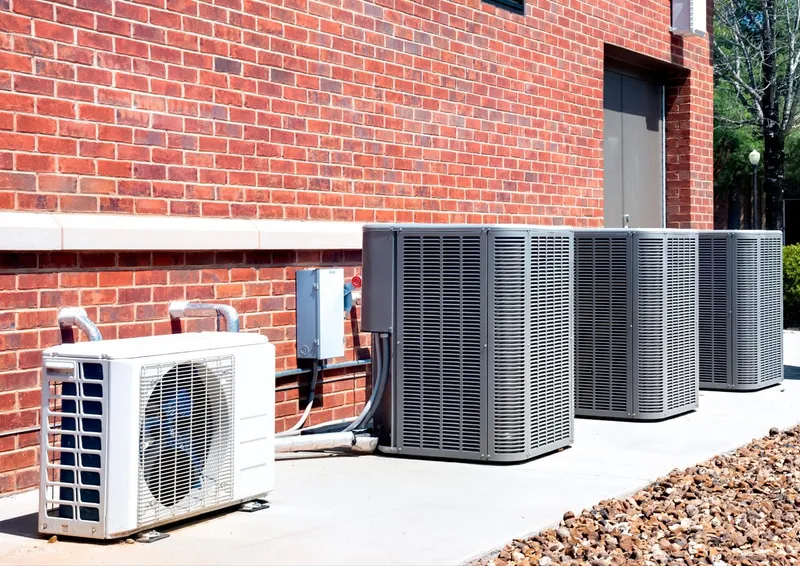
Switching your DFW home from AC to heat safely comes down to a few minutes of preparation before you touch the thermostat: change the air filter, clear anything stacked around the indoor unit and the vents, then set the thermostat to Heat with the temperature a few degrees above the room reading and let the system run.
A faint burning smell during the first few minutes is normal on that first firing of the season, and it should clear within fifteen minutes as dust burns off the heat exchanger. A smell that lingers, or one that smells like rotten eggs or electrical burning, means shut the system down and call for service.
That first cool week in September or October is when most North Texas homeowners test their heat for the first time in months. The system has sat unused since spring, dust has settled on components that are about to get hot, and a few odd smells and sounds on startup are expected rather than alarming. Knowing which ones are normal saves an unnecessary service call, and knowing which ones are not could save your home.
Switching Your HVAC From AC to Heat: The Safe First-Run Steps
Moving your system from cooling to heating is not just a thermostat flip, because the furnace or heat pump has been dormant for months and benefits from a quick once-over first. Working through a short checklist before the first firing catches the small problems that cause most first-run worries, and it takes about ten minutes. Do these in order:
- Replace the air filter, since one left in place all summer is clogged with dust that restricts airflow and makes the system work harder from the first minute
- Clear anything stored against the indoor furnace or air handler, giving it a few feet of clearance for safe combustion and airflow
- Open every supply vent and pull furniture or rugs off any floor registers so warm air can move freely
- Check that the outdoor unit is clear of leaves and debris if you run a heat pump, since it pulls heat from outside air
- Set the thermostat to Heat, raise the target a few degrees above the room temperature, and give it a minute to respond before expecting warm air
The pause before warm air arrives is normal. A gas furnace runs an ignition sequence and a heat pump reverses its refrigerant cycle, so a short delay of a minute or two before the vents blow warm is exactly how the system is designed to behave.
If nothing happens after several minutes, the thermostat may need fresh batteries or a closer look, and Cold Factor covers thermostat controls if the settings are not holding.
First Time Turning On the Heater: Which Smells Are Normal
A burning or dusty smell on the first heat of the season is the single most common worry, and in most cases it is completely harmless. Over the summer, dust settles on the heat exchanger and burner components, and when those surfaces heat up for the first time that dust simply burns off. The smell is often described as musty or faintly like something scorching, and it should fade within about fifteen minutes of the system running.
You can shorten it by changing the filter first and opening a couple of windows for the first cycle, which clears the burnt-dust smell faster. If the house has been closed up and the system has run for twenty minutes with the smell still strong, that moves from normal into worth-checking, because persistent burning can point to an electrical fault or an overheating component rather than seasonal dust.
Some smells are never normal and mean you stop immediately. A rotten-egg or sulfur smell is the warning odor added to natural gas, and it points to a gas leak, so leave the house and call your gas utility before anyone else. A sharp electrical or acrid plastic smell means shut the system off at the thermostat and call for repair, since melting wiring or a failing motor is a fire risk that a technician needs to see the same day.
Burning Smell From Furnace First Use: When It Is a Problem
The line between a normal first-firing smell and a real problem comes down to how long it lasts and what it smells like. Burnt dust is dry and faint and gone within fifteen minutes, and it does not come back on the next cycle once the summer’s dust has cleared. Anything that persists past that window deserves a closer look, especially a smell that returns every time the furnace fires or carries a chemical edge.
A burning smell that keeps coming back after the first day of use often traces to a dirty filter or a buildup of debris inside the cabinet, both of which make components run hotter than they should. In some cases the cause is a cracked heat exchanger, which is a serious safety issue because it can let combustion gases including carbon monoxide into your home’s air. A furnace that smells of burning on every cycle, especially an older one, should be inspected before you keep running it through the winter.
Carbon monoxide is the reason first-run caution matters. The gas is colorless and odorless, so you cannot rely on smell to detect it, which is why a working CO detector on every level of your home is essential before the heating season begins. If your detector sounds, or if anyone in the house feels dizzy, nauseous or headachy when the heat runs, get everyone outside and call for emergency service, which Cold Factor provides around the clock across the metro.
Thermostat Settings for the AC-to-Heat Switch
Getting the thermostat right makes the switch smoother and keeps your first heating bills reasonable. Set the mode to Heat rather than Auto for the first run, because Auto can leave the system hunting between heating and cooling on a day when the afternoon is still warm and only the mornings are cool. A fixed Heat setting lets you confirm the furnace or heat pump is working properly without the system second-guessing itself.
Set the fan to Auto rather than On so the blower runs only when the system is actively heating, which keeps you from pushing room-temperature air through the house between cycles. For the first firing, raise the target temperature five degrees above the current room reading so the system runs long enough to burn off dust and prove it can hold temperature. Once you have confirmed everything works, a setting around 68°F while you are home is the common DFW comfort baseline.
Heat pump owners should know their system behaves differently from a gas furnace, since it moves heat rather than burning fuel and delivers air that feels cooler at the vent than furnace air does. That is normal, not a fault, though it catches many first-time heat pump users off guard. If a mild fall makes you unsure whether the system is keeping up, our guide on heat pump performance explains what to expect.
When a First-Run Noise Means a Service Call
Some startup sounds are as normal as the first-firing smell, while others are a clear signal to call. A brief popping or ticking from the ductwork as it warms and expands is ordinary metal movement, and a soft whoosh as a gas furnace ignites is simply the burner lighting. Neither is cause for concern on that first cold morning.
Use this quick guide to tell a normal first-run sign from one that needs a call:
| Sign on first firing | Normal | Call for service |
| Faint dusty or burning smell | Clears within 15 minutes | Still strong after 20 minutes |
| Rotten-egg or sulfur smell | Never normal | Leave the house, call the gas utility |
| Sharp electrical or plastic smell | Never normal | Shut off and book same-day repair |
| Popping or ticking from ducts | Metal expanding as it warms | Loud bang on every ignition |
| Soft whoosh at startup | Burner lighting | Grinding, squealing or scraping |
Other noises are not routine and mean you should book a visit before running the system hard. A loud bang on ignition can indicate a delayed gas ignition, where gas builds up before lighting, which stresses the heat exchanger and needs attention. A persistent grinding, squealing or metal-on-metal scraping usually points to a worn blower motor bearing or a loose component, and running the system through it risks turning a small repair into a large one.
A first cool week is also the ideal moment to book a heating tune-up if you skipped one in the fall, since a technician can catch a worn part or a safety issue before the first hard freeze puts real demand on the system. Cold Factor offers heating maintenance across Flower Mound, Roanoke and the wider DFW metro, backed by a workmanship guarantee from a licensed, BBB A+ rated team. Booking early in the season means you are not competing for a slot during the first freeze rush.
Get Your Heat Checked Before Winter
If your first firing brought a smell that lingered or a noise that worried you, or if the heat never quite arrived, it is worth having the system looked at now rather than on the coldest night of the year. Cold Factor works out of Roanoke and Flower Mound, serving Lewisville, Coppell, Southlake, The Colony and the surrounding DFW communities.
Book a heating check now while schedules are open, and head into winter knowing the system is safe and ready. Learn more about heating repair and maintenance, or check current specials before you book.