

Fall HVAC Replacement: Why September Is the Smartest Time to Upgrade in DFW
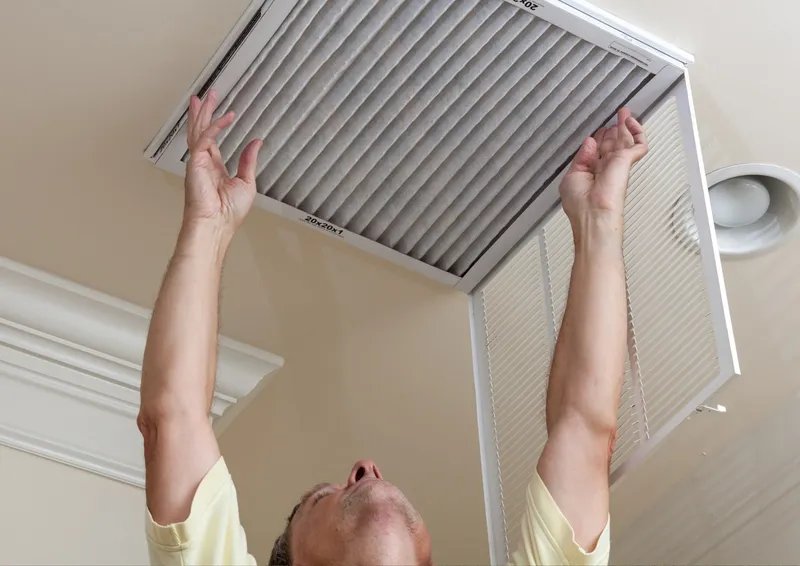
The best time to replace an HVAC system in DFW is the fall shoulder season, roughly September through early November, once the brutal summer heat breaks but before the first winter cold snap. Replacing in this window means you avoid the peak-season scramble, you get your pick of appointment dates instead of waiting on an emergency callout, and your new system is tested and dialed in well before you actually need it for heating. Homeowners who wait until their old unit dies in a July heat wave lose all three of those advantages at once.
The difference between an August replacement and a September one is the difference between an emergency and a decision. A system that fails on a 100°F afternoon gets replaced under pressure, with whatever equipment can be installed fastest. A system replaced in a mild September gets chosen calmly, with time to compare options and sort out financing.
Why the Best Time to Replace an HVAC System Is Fall
Fall is the sweet spot because it sits between the two seasons that push your system hardest, which means you are replacing on your own schedule rather than reacting to a breakdown. A DFW air conditioner works near its limit for weeks through July and August, and a furnace does the same through the coldest stretches of winter, so the shoulder months on either side are the only times the equipment is not under real strain. September lands in the wider of those two windows, with warm afternoons that still let a crew test cooling performance and cool evenings that make an install day comfortable to work through.
Scheduling is the concrete advantage most homeowners overlook. During peak summer, HVAC crews across North Texas are booked solid on emergency repair calls, so a planned replacement competes for the same slots as families with no cooling at all. Fall replacement gives you back the things a summer breakdown takes away:
- Your pick of install dates instead of the first gap in three weeks
- Time to get more than one opinion before committing
- Room to make the sizing and efficiency decisions without pressure
- A mild-weather window to prove the system out before winter
When to Replace an HVAC System: Beat the Summer Rush and Winter Freeze
The trouble with waiting is that HVAC systems almost always fail at the worst possible moment, because that is when they are working hardest. An aging compressor gives out during the first 100°F stretch, and a tired furnace quits on the coldest night of the year, which is exactly when every other homeowner in the metro is calling for the same help. Replacing in the fall takes you out of that queue entirely.
HVAC systems generally last between 10 and 20 years, but a DFW unit tends toward the lower end of that range because it simply runs more cooling hours than a system in a milder climate. Once a system passes the ten-year mark and has started needing repairs, its remaining life is short enough that planning a replacement beats waiting for a failure. If your system is in that range and limped through this past summer, fall is the moment to act before winter asks anything of it.
Replacing before winter also matters if your system is a heat pump, which carries the heating load as well as the cooling. A heat pump that barely coped with summer will be asked to reverse and heat the house within a couple of months, and a fall replacement means the new system is proven on both modes before the first freeze. Waiting risks a mid-winter failure on the coldest night, when a heating emergency is every bit as urgent as a July cooling breakdown and just as hard to book quickly.
Planning the replacement also means you are never caught paying for an emergency. An emergency changeout in peak season is made under pressure, with limited equipment choice and no time to weigh financing or efficiency. A fall replacement is the opposite, and it is why a timing-led upgrade almost always beats a reactive one. For homeowners still weighing whether their current unit is worth keeping, our guide on when to repair or replace lays out the math.
What Fall Gives You Time to Get Right
The real value of the shoulder season is not the calendar date, it is the room it gives you to make good decisions. The contrast with a rushed summer job is stark across every decision that matters.
| Decision point | Fall replacement | Summer emergency replacement |
| Scheduling | Book the date that suits you | Take the first available slot |
| System sizing | Measured to your home | Often matched to the old unit |
| Efficiency choice | Time to weigh SEER and running cost | Whatever installs fastest |
| Rebate eligibility | Time to check and claim | Usually missed |
| Commissioning | Proven in mild weather | Straight into peak load |
Getting sizing wrong is expensive in both directions. A system that is too large cools the air quickly but shuts off before it removes humidity, so it short-cycles, wears its compressor out early and leaves a DFW home feeling clammy. One that is too small runs constantly and still loses ground on a 100°F afternoon, driving up the electric bill while never quite keeping up. A fall timeline gives a technician the room to measure properly and match the system to the house, which is the single decision that most affects how long the new unit lasts.
Efficiency is the other decision that rewards a careful choice. A higher efficiency rating lowers your running costs across a cooling season that stretches from May through September, and a variable-speed system pushes those savings further by modulating output instead of cycling at full draw. Weighing the upfront cost against the monthly savings is worth doing properly rather than signing off on the first quote during a heat emergency.
There is also money on the table that a rushed decision tends to miss. Many high-efficiency installations qualify for federal rebates and tax credits under the High-Efficiency Electric Home Rebate Act, which can significantly change the total cost of an upgrade. Checking eligibility takes a little time, which is exactly what a fall timeline provides and an August emergency does not.
Planning Your Fall Upgrade with Cold Factor
Booking a replacement in the fall follows a calmer version of the same process Cold Factor runs year-round, with the difference that you set the pace. The path from first call to a running system:
- A free in-home assessment where a technician measures your home and checks the ductwork to size the system correctly
- A clear recommendation on system type and efficiency, with financing and any rebate laid out before you decide
- An install day, usually completed in a single day for a standard changeout, with the work area protected and cleaned before the crew leaves
- A walkthrough of your new thermostat and controls, plus registration of the manufacturer warranty
- Weeks of mild fall weather to confirm the system runs exactly as it should before winter arrives
Financing keeps the timing flexible rather than forcing the decision around a single large payment. Cold Factor offers financing that spreads the cost into manageable monthly payments, so a fall upgrade does not have to wait for the perfect moment in your budget. Every install is backed by a workmanship guarantee from a licensed, BBB A+ rated team.
Is Fall Really Cheaper Than Summer for HVAC Replacement?
Fall replacement is easier and lower-pressure than a summer one, and it removes the hidden costs that come with an emergency, though published equipment pricing itself does not swing dramatically by season. The saving is in avoiding the emergency premium and the limited equipment choice, along with the risk of running a failing system into the ground while you wait for a peak-season appointment. A planned upgrade lets you choose the right system rather than the fastest one.
The larger financial picture favors fall for a different reason. A new high-efficiency system installed in September starts cutting your running costs immediately, and it carries those savings straight through the following summer, so the earlier you upgrade in the shoulder season the sooner the efficiency gain begins paying you back. Waiting for the system to fail in peak summer means paying to run an inefficient unit right up until the day it dies.
Book Your Fall HVAC Assessment
If your system is over a decade old and struggled this past summer, the mild fall window is the moment to plan an upgrade rather than wait for the next breakdown. Cold Factor works out of Roanoke and Flower Mound, serving Lewisville, Coppell, Southlake, The Colony and the surrounding DFW communities.
Book a no-pressure assessment now while schedules are open, and get your new system settled in before winter. Learn more about a full system installation and what it involves, or check current specials before you book.